
Texans trust
Commercial Roof Restoration Guide for Texas Properties
A clear-eyed look at when restoration makes sense, and when it doesn't.
Free estimate
Tell us what you need
Three fields. It reaches a person here, not a call centre.
What to expect
Get started
No obligation, no pressure. Just a straight answer and a fair price.
Call (832) 384-4420Request an estimateA stain on a ceiling tile, ponding water after a Houston downpour, or a rising utility bill can all point to the same issue: your commercial roof may be losing performance long before it fails outright. This guide helps Texas property owners and managers make a clear, documented decision before a manageable problem turns into interior damage, tenant disruption, or a full emergency replacement.
Restoration is not always the right call. Neither is replacement. What protects your building is an honest evaluation of what you actually have, and a contractor willing to tell you the difference.
What Commercial Roof Restoration Actually Means

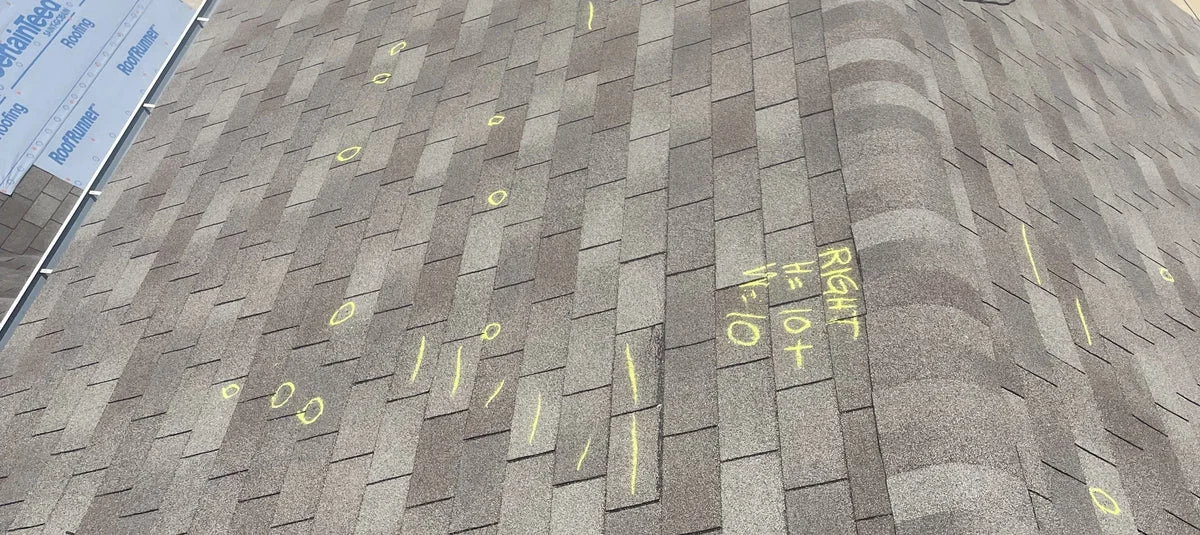
Start With a Documented Roof Evaluation
Restoration Only Works on the Right Candidate
The honest question is not whether restoration is cheaper: it's whether the existing roof can support it.
Sound Deck and Insulation
If insulation is saturated or the deck has deteriorated, a coating cannot fix what is broken underneath. Restoration applied to a compromised substrate fails faster and costs more in the end.
No Widespread Active Leaks
Isolated failures at seams or penetrations can be repaired ahead of a restoration. Widespread active leaks across multiple areas indicate the system has lost integrity, replacement is the responsible path.
Remaining Serviceable Life
Restoration makes financial sense when the roof has years of potential life remaining. A roof at the end of its rated lifespan may not hold a coating long enough to justify the cost.
Compatible Existing System
Not every roofing material accepts every coating. The existing system, its type, condition, and prior treatments, determines which products are compatible and whether restoration is even viable.
Roof Systems
Know Which Systems Can Be Restored
Still have a question?
Ask the team directly. We pick up, and a straight answer costs nothing.
Modified Bitumen and Built-Up Roofs (BUR)
TPO and PVC Membranes
Metal Commercial Roofs
Spray Polyurethane Foam Roofs
Flat Roofing Systems
Will you provide a written condition report before any work begins?
What happens if you find saturated insulation or deck damage mid-project?
What warranty covers this coating, and what voids it?
How does the weather forecast affect your application schedule?
Are you insured for commercial roofing work?
Our Process
How a Commercial Roof Restoration Is Done
A quality restoration is a system, not a bucket of coating applied on a good-weather day. The application stage gets attention, but the preparation stage determines how long the work lasts.
Inspect, Test, and Document
The full roof surface, all penetrations, seams, drains, and parapet walls are inspected. Wet insulation is identified through infrared scanning or core samples. Defects are documented with photos and video, the same documentation that supports insurance claims and future warranty records.
Repair Before You Coat
Splits, failed seams, deteriorated flashing, and structural concerns are addressed before any coating is applied. Skipping this step is how restorations fail early. Primers, reinforcement fabric at seams or transitions, and detail coatings around penetrations come before the field coating, not after.
Apply at the Correct Rate
Coating applied too thin fails faster and may void the product warranty. Application rates, coverage thickness, and curing conditions, temperature and humidity matter, are specified by the manufacturer and must be followed. Weather affects the schedule; a good contractor builds that into the plan.
Cost & Scope
Budget for the Problems You Cannot See Yet

Compare Restoration, Repair, and Replacement Honestly
Targeted Repair
The right call for isolated failures, a single seam, a cracked boot, a failed flashing detail. Repair extends the working life of a roof that is otherwise performing. It does not address systemic weathering or widespread membrane degradation.
Full Restoration
Best suited to roofs with sound structure and insulation, surface-level weathering, and remaining serviceable life. A documented evaluation is what separates a legitimate restoration from a cosmetic fix that delays an inevitable replacement.
Full Replacement
The right answer when insulation is saturated, the deck is compromised, leaks are widespread, or the roof has reached the end of its rated life. A trustworthy contractor should be comfortable telling you this even when restoration would have been the larger invoice.
Handle Insurance With Evidence, Not Guesswork

Protect the Restored Roof After the Project
Restoration creates value only if the roof is maintained after the work is done.
- 01
Schedule Annual Inspections
A restored roof still needs regular evaluation. Seams, penetrations, and drainage points should be checked at least once a year and after any significant storm event.
- 02
Clear Debris and Drains Promptly
Ponding water accelerates coating degradation. After Houston rain events, clear drains and low-drainage areas before water has time to work into seams.
- 03
Address Small Failures Immediately
A minor seam failure repaired in a week costs a fraction of the damage it causes after a month of water intrusion. Small issues are easiest to fix when the roof is clean, dry, and accessible.
- 04
Keep Records
Maintain a file of inspection reports, repair invoices, and storm documentation. That record supports insurance claims, informs future scopes of work, and demonstrates due diligence to tenants and insurers alike.
Ready for an Honest Evaluation?
Your building deserves more than a quick opinion and a generic quote.