
Your Trusted Roof experts
Class 3 vs Class 4 Shingles: Which One Protects Your Home Best?
The shingle you choose today shapes your roof's performance, lifespan, and insurance costs for years.
Call or TEXT now832-384-4420What to expect
The difference between Class 3 and Class 4 shingles comes down to one thing: how big a hailstone the shingle can survive without cracking. Class 3 is tested against a 1.75-inch impact, Class 4 against a full 2-inch impact, and that gap decides which roofs shrug off a Fort Bend County hailstorm and which ones end up filing a claim. Both are a real upgrade over the standard Class 2 roofs most homes still carry. Which one is right for you depends on how long you're staying, what your insurer recognizes, and how often hail rolls through your zip.
We've inspected and replaced roofs across Katy, Richmond, Cypress, and the rest of Fort Bend County for years, and we don't push the top tier by default. We bring both samples to the consultation, show you the UL 2218 rating on each, and let the hail history of your neighborhood do the talking.
If you're already dealing with storm damage or planning a residential roof replacement, understanding impact ratings before you commit to a material can save you money and headaches down the road.
The Basics
How UL 2218 Impact Ratings Work
Impact resistance isn't a marketing label. It's a tested, standardized UL 2218 rating that determines how much hail a shingle can take.
- Class 3, moderate hail resistance, tested against a 1.75" steel ball
- Class 4, highest hail resistance available for asphalt shingles, tested against a 2" steel ball
Class 3 Shingles: The Solid Middle Ground
Performance
Stronger than standard architectural shingles. Handles everyday hail and wind events well, typical for moderate storm zones.
Color & Style Options
Broader selection of profiles and colorways compared to Class 4. Easier to match existing trim or neighborhood aesthetics.
Upfront Cost
Lower material cost than Class 4. A meaningful upgrade from standard shingles without the top-tier price point.
Best Fit
Homeowners who want a cost-effective upgrade, live in moderate storm zones, or plan to sell or move within the next 5–10 years.
One Limitation Worth Knowing
Top Tier
Class 4 Shingles: Built for Hail Country
Impact Resistance
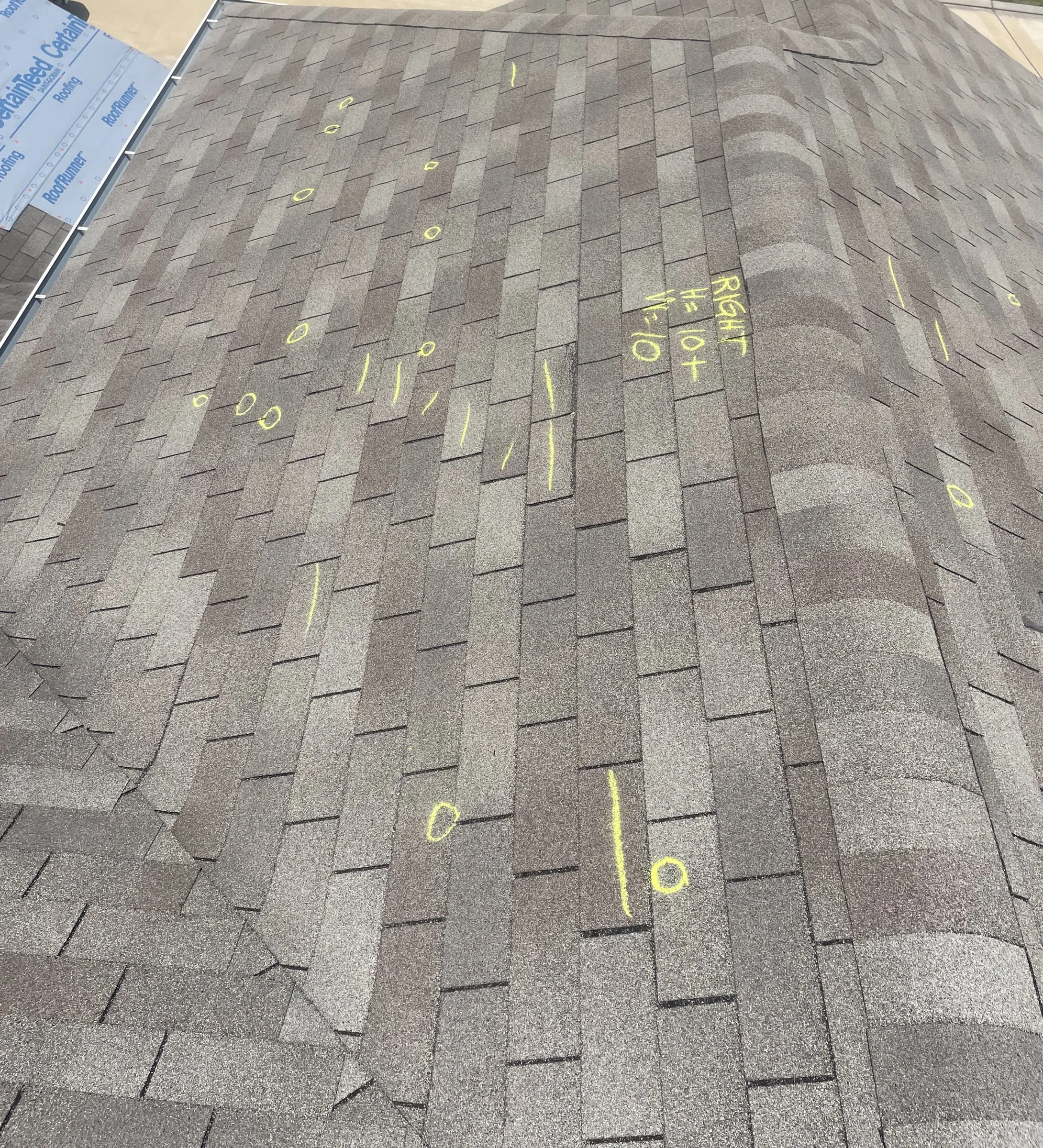
Highest rating available. Designed to withstand hailstones up to 2 inches, the size that cracks standard shingles and triggers insurance claims.
Lifespan
Class 4 products regularly extend roof lifespan by 10–15 years compared to standard shingles, fewer replacements over the life of the home.
Insurance Discounts
Some carriers offer premium reductions for Class 4 roofs. Not guaranteed, it depends on your provider, policy type, and inspection requirements.
Best Fit
Homeowners in hail-heavy areas who plan to stay long-term and want to reduce the likelihood of major storm damage on the next big event.
Comparison
Class 3 vs Class 4: Side by Side
Same core product, different engineering: here's where the gap shows up in practice.
Impact Resistance
Class 3: Good, handles moderate hail. Class 4: Excellent, engineered for severe hail events up to 2" diameter.
Lifespan
Class 3: Standard manufacturer warranty range. Class 4: Often 10–15 years longer functional life in high-hail markets.
Insurance Discount Eligibility
Class 3: Rarely qualifies for premium reductions. Class 4: Possible discount, carrier-dependent, not guaranteed.
Upfront Cost
Class 3: Lower, better for budget-conscious upgrades. Class 4: Higher upfront, but the long-term math often favors it for homeowners staying put.
The Money Question
Texas Insurance Discounts for Class 4 Shingles
Here's what actually drives a premium reduction, and why Class 3 usually doesn't earn one.
This is where the extra cost of a Class 4 roof can start to pay for itself. Many Texas insurers offer a premium discount for homes with Class 4 impact-resistant shingles, because a roof that survives hail without cracking files fewer claims. The discount is real, but it is never automatic. It depends on your carrier, your policy type, and whether they require a formal inspection or certificate to verify the UL 2218 rating before applying it.
Class 3 rarely qualifies. Most carriers that offer an impact-resistant discount reserve it for Class 4 specifically, so if saving on premium is a goal, Class 3 usually won't get you there. A handful of carriers in higher-risk Fort Bend County zip codes have also started requiring Class 4 for renewals or new coverage, so the question is shifting from "is it worth it" to "will my policy even allow Class 3."
The practical move: call your agent before you pick a shingle and ask two things. First, do you offer a premium reduction for Class 4 impact-resistant shingles, and second, what documentation do you need to apply it. We provide the installation records and product certificates most carriers ask for. If hail has already hit your current roof, our hail damage claims team meets the adjuster on the roof and documents every impact mark before you decide which tier to install, because the claim outcome often changes the math.
Which One Should You Choose?
There is no universal answer, and that's where most homeowners get stuck. The right choice depends on how long you're staying, what your insurance carrier recognizes, and what your roof has already been through.
If you're planning to sell in the next several years, Class 3 gives you a solid upgrade without over-investing. If you're staying put in Katy, Richmond, or Cypress for the long haul, and your area sees repeated hail seasons, Class 4's extended lifespan and potential insurance benefits usually make it the better call financially.
If storm damage has already started the clock on your current roof, read our guide on filing an insurance claim before you commit to a material. The claim outcome can directly affect which tier makes sense to install. And if you're weighing whether impact-resistant roofing is worth the investment at all for your specific situation, that article breaks down the broader case for Texas homeowners.
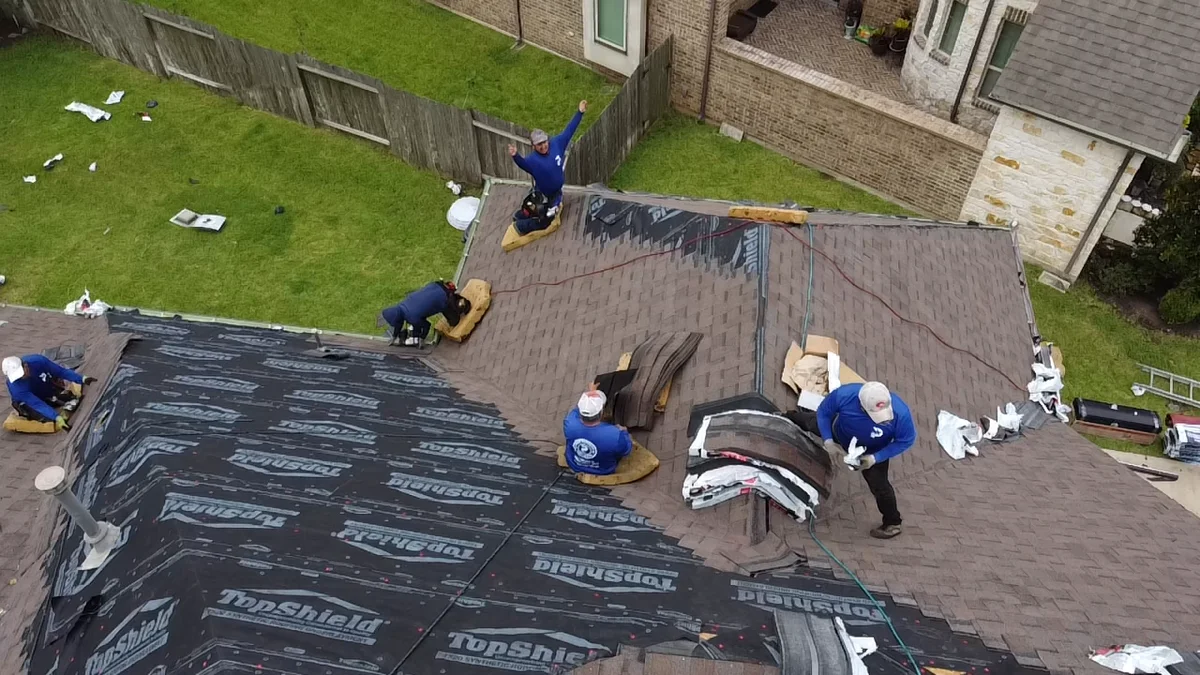
We don't push one product over the other. We inspect first, show you the options side by side, and help you make the call based on your home, your insurer, and your plans. When it's time to move forward, both tiers install the same way under our full roof replacement process, tear-off to cleanup. If you're ready to talk through it, call us at (832) 384-4420 or request an inspection.
What Our Customers Say
“They had come at an earlier date, brought several samples of the shingles, explained different options in detail and even suggested the best option for me ( which was not the highest price). They answered all my questions and concerns very nicely and explained everything in detail. They finished the job earlier than the promised time and the clean up was impeccable.”
“He was very knowledgeable about the entire insurance process and about roofing products, so I let him start the process. I am very happy that I did. He walked me through every step of the process and kept me informed of where my claim stood and what I needed to do next. Once my claim was finally approved, he helped me select roofing products that were best for my house, had a good quality guarantee, and the color that I wanted.”
“PPB Roof and Restoration were excellent on my roof replacement. They were not high pressure, nor did they try to up-sell on products I didn't need. Their prices were more than fair. The entire process was easy and very straightforward.”
Common Questions About Impact-Rated Shingles
Still have a question?
Ask the team directly. We pick up, and a straight answer costs nothing.